Blog · 10/2/2026
Why Regular Marine Inspections Matter
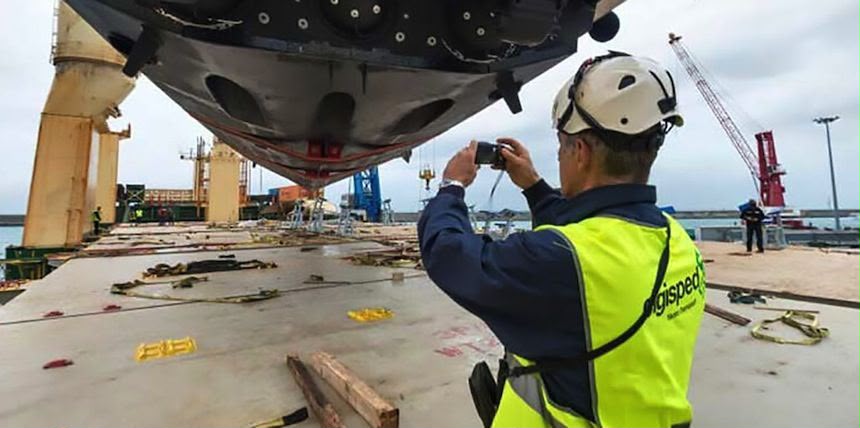
Marine vessels operate in demanding environments where safety, reliability, and operational readiness are essential. Regular marine inspections help shipowners, operators, and maritime professionals understand the condition of a vessel, identify potential issues early, and plan maintenance before small problems become costly disruptions.
What Is a Marine Inspection?
A marine inspection is a systematic assessment of a vessel’s structure, machinery, equipment, safety systems, and overall operational condition. Depending on the purpose of the inspection, it may cover specific areas of the vessel or provide a broader assessment of its condition and compliance.
Inspections can be carried out as part of routine maintenance, pre-purchase due diligence, regulatory requirements, class requirements, or preparation for a vessel’s next operation.
Why Are Regular Inspections Important?
1. Identify Problems Early
Regular inspections can help detect corrosion, wear, leaks, equipment deterioration, structural defects, and other developing issues before they become major failures.
Early identification gives shipowners more time to plan corrective action and avoid unexpected downtime.
2. Improve Vessel Safety
The safety of crew, passengers, cargo, and the vessel itself depends on properly functioning systems and equipment.
Inspections provide an opportunity to check critical areas and identify conditions that may create operational or safety risks.
3. Support Preventive Maintenance
A good inspection provides valuable information for maintenance planning. Instead of relying only on fixed maintenance schedules, operators can use inspection findings to prioritize work according to the vessel’s actual condition.
This can help make maintenance activities more targeted and efficient.
4. Reduce Unexpected Downtime
Unplanned machinery or equipment failures can interrupt operations and result in significant costs.
Regular inspections help identify developing defects so that repairs and maintenance can be scheduled at an appropriate time rather than being forced by an unexpected breakdown.
5. Support Regulatory and Class Requirements
Depending on the vessel, its flag, classification society, trading area, and type of operation, different inspection and survey requirements may apply.
Maintaining appropriate inspection records and addressing identified deficiencies can help operators remain prepared for applicable surveys, audits, and inspections.
6. Protect Asset Value
A vessel is a significant investment. Regular inspections help create a documented understanding of its condition over time.
This information can be particularly valuable when planning major repairs, evaluating future maintenance requirements, or preparing a vessel for sale or acquisition.
What Areas Can Be Inspected?
The scope of a marine inspection depends on the vessel and the purpose of the inspection. Typical areas may include:
Hull and structural condition
Deck and cargo areas
Main and auxiliary machinery
Pumps, valves, and piping systems
Electrical systems
Navigation and communication equipment
Safety and firefighting equipment
Mooring and anchoring equipment
Accommodation and general onboard condition
Maintenance records and documentation
A qualified inspector can determine the appropriate scope based on the vessel’s type, age, operational profile, and inspection objective.
Inspection Is More Than Finding Defects
An effective inspection should not simply produce a list of problems. It should provide useful information that helps vessel owners and operators make informed decisions.
Inspection findings can help answer important questions:
What requires immediate attention?
What can be planned for the next maintenance period?
Which systems require closer monitoring?
Are there recurring issues that need a permanent solution?
What maintenance should be prioritized?
Turning inspection findings into practical maintenance actions is an important part of effective vessel management.
The Value of Professional Marine Inspection Services
Marine inspections require experience, technical understanding, and attention to detail. A professional inspection can provide an independent assessment of vessel condition and help identify issues that may otherwise be overlooked.
For shipowners and operators, having reliable inspection information can support better maintenance planning, operational decisions, and risk management.
Conclusion
Regular marine inspections are an important part of responsible vessel management. They help shipowners understand the condition of their assets, identify potential problems early, support preventive maintenance, and prepare vessels for safe and reliable operations.
In the maritime industry, prevention is often more efficient than reacting to an unexpected failure. A well-planned inspection program can therefore contribute to safer operations, better maintenance decisions, reduced downtime, and long-term asset value.
Marinelancer supports the maritime industry with professional solutions designed to help vessel owners, operators, and maritime professionals make informed decisions about their vessels and operations.